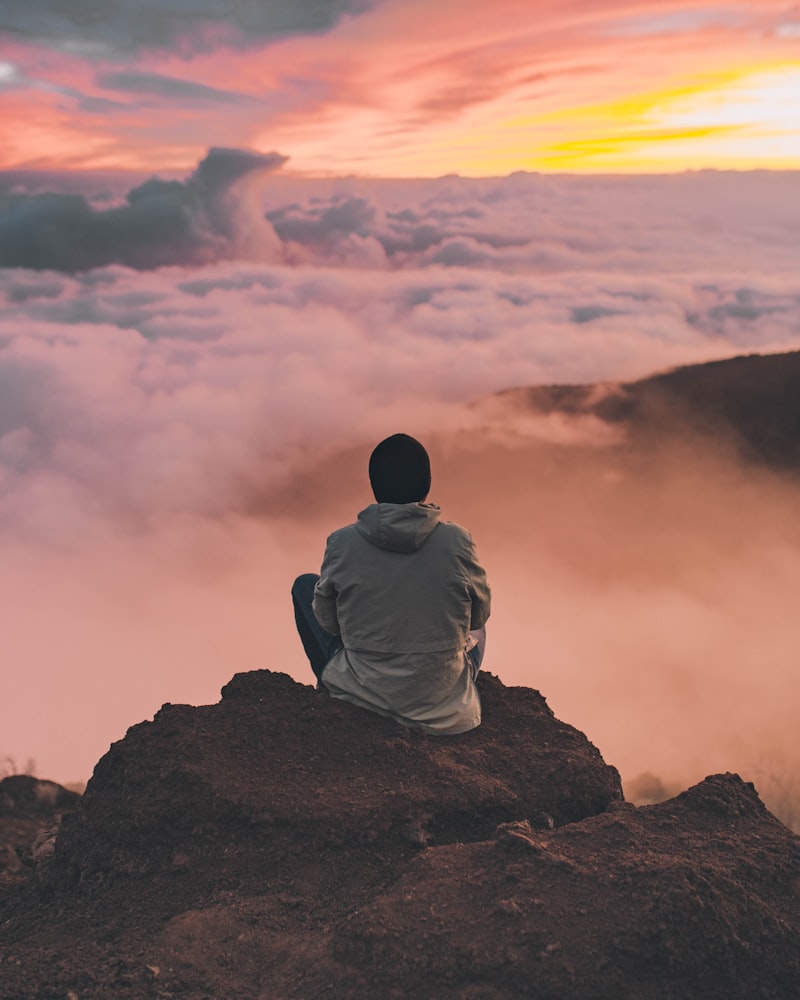
There's a particular kind of morning that most of us know — the alarm goes off, you reach for your phone before your eyes are fully open, and within sixty seconds your brain is already flooded with notifications, to-do lists, and yesterday's worries. By the time you've had your coffee, the day has already hijacked you.
What if you could change that? What if the first twenty minutes of your day were entirely yours — no screens, no noise, just you, your breath, and your body?
That's exactly what a mindful morning yoga flow offers. And the science behind it is more compelling than you might think.
Why Morning Movement Is Different
Our bodies go through a dramatic physiological shift when we wake up. Cortisol, often called the "stress hormone," naturally peaks in the morning — a biological mechanism that helps us feel alert. But in our modern lives, we layer artificial stressors (social media, news, emails) on top of this cortisol peak, sending our nervous system into overdrive before we've even brushed our teeth.
Yoga in the morning works with this cortisol rhythm, not against it. Slow, intentional movement combined with deep breathing activates the parasympathetic nervous system — the "rest and digest" response — which counterbalances the cortisol spike and leaves you alert without feeling anxious.
"Movement is a medicine for creating change in a person's physical, emotional, and mental states." — Carol Welch
The 20-Minute Flow: A Step-by-Step Guide
You don't need a yoga mat. You don't need special clothes. All you need is a quiet space and twenty minutes of willingness. Here's the flow I've been practicing for three years — it's the same one that's earned a permanent spot in my mornings.
1. Child's Pose (Balasana) — 2 minutes
Begin on your hands and knees, then sink your hips back toward your heels, extending your arms forward or resting them by your sides. Close your eyes. Take five slow, deep breaths. Feel the floor beneath you. Let this be your intention-setting moment — ask yourself: what do I want to bring into this day?
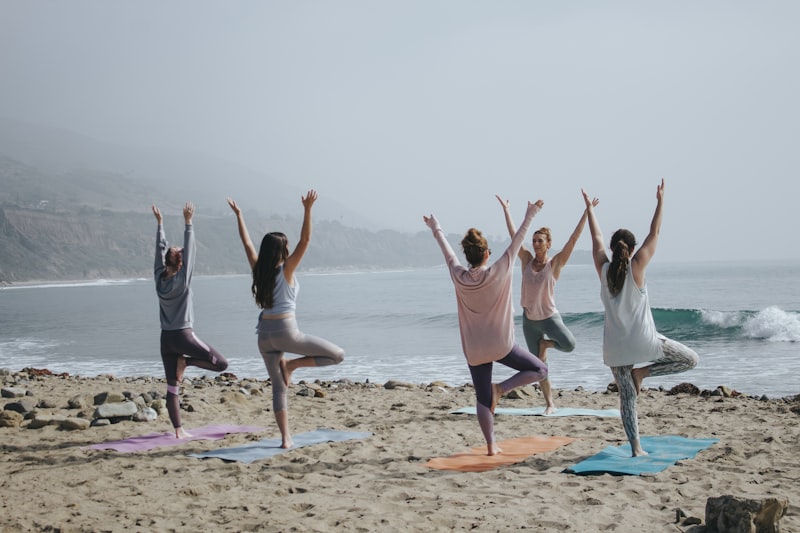
2. Cat-Cow Stretch — 2 minutes
Come back to hands and knees. On an inhale, drop your belly, lift your gaze — Cow pose. On an exhale, round your spine toward the ceiling, tuck your chin — Cat pose. Move slowly, following the breath. This sequence lubricates the spine and begins to wake up your entire back body.
3. Downward Facing Dog — 3 minutes
Push back into an inverted V. Pedal your heels gently, bending one knee then the other. Breathe. Hold for three breaths, then walk your feet to your hands and slowly rise to standing.
4. Sun Salutation (Modified) — 5 minutes
Three slow rounds of a modified sun salutation: Mountain pose → Forward fold → Half lift → Plank → Cobra → Downward dog → Forward fold → Mountain pose. Move with your breath, treating each transition as a meditation.
5. Warrior I and Warrior II — 4 minutes
Ground your back foot, step your right foot forward, and rise into Warrior I. Hold for three breaths, feeling the strength building in your legs. Open your hips to the side for Warrior II. Gaze over your front fingertips. Switch sides. These poses build heat, confidence, and the sense that you are capable of facing whatever the day brings.
6. Seated Twist and Final Meditation — 4 minutes
Come to seated. Cross your right leg over your left, place your right hand behind you, and inhale tall before twisting gently to the right. Hold for three breaths. Switch sides. Then lay flat in Savasana — complete stillness — for two minutes. Let everything soften. Just breathe.
What to Expect After 30 Days
I won't promise transformation in a single session. But after thirty consistent mornings, most practitioners report:
- Reduced morning anxiety — the nervous system learns a new default response to waking
- Improved focus throughout the morning work block
- Better posture from consistent spinal mobility work
- A quieter inner voice — meditation teaches you that thoughts are not commands
- A genuine desire to practice — it becomes the part of the day you look forward to most
The One Rule: Protect This Time
The most common reason people abandon morning routines is not lack of discipline — it's lack of protection. Your phone will conspire against you. Your family will interrupt you. Your mind will tell you it's a waste of time.
Here's my approach: I lay out my mat the night before. I keep my phone in another room until after the flow is done. I treat this twenty minutes with the same seriousness I'd give a medical appointment. Because that's exactly what it is — a daily appointment with my own nervous system.
"The morning is the most important part of the day. How you enter it shapes everything else."
Start tomorrow. Don't wait for the perfect morning, the perfect mat, or the perfect level of flexibility. Start in your pajamas on your bedroom floor if you have to. The magic isn't in the postures — it's in the showing up.